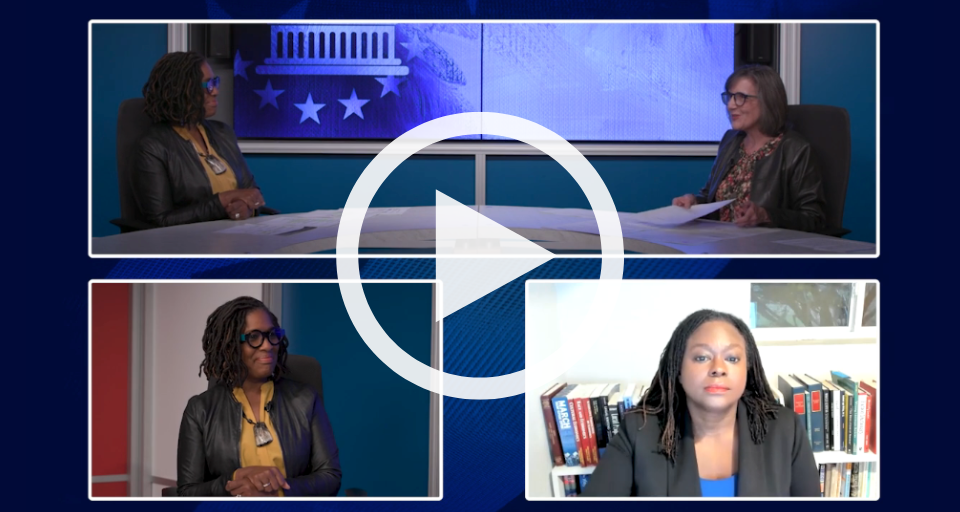
WTOP: 5 ways nonprofits can…











The Great Recalibration: 2026 Imperatives for Nonprofits, Associations & Education Leaders
 February 4, 2026
Nonprofits, associations, educational institutions, NGOs, and other purpose-driven organizations, institutions, are entering 2026 under compounded pressure. Nationwide, nonprofits employ about 9% of the U.S. workforce, representing more than 14 million workers, and in nine states plus, Washington D.C., nonprofits account for over 15% of private employment. Yet 1 in 5 nonprofit workers live in a household experiencing financial hardship, revealing a possible structural vulnerability in the sector’s ability to attract and retain top talent. At the same time, 68% of nonprofits expect demand for services to rise this year, and 75% say volunteers are essential, intensifying workforce strain.1
These dynamics align with insights from our recent Great Recalibration advisory session hosted by OneDigital’s national practice leaders: cost, risk, workforce, technology, and regulation are colliding simultaneously, requiring nonprofits to shift from renewal driven multiyear recalibration. Healthcare cost pressures alone are projected to rise 9–10%, the steepest increase in 15+ years, further tightening already limited resources.
Five Mission Critical Imperatives for 2026
1) Treat your healthcare plan as a mission lever, not a fixed bill.
Healthcare inflation can be structural, not cyclical. Nonprofits of any size can adopt 3–5-year strategies that blend alternative funding models (self/level funded, captives, PEO, ICHRA), stronger transparency, payment integrity, pharmacy cost containment, tiered networks, care navigation, and eligibility management to stabilize trend and protect mission delivery.
2) Elevate strategic HR as the connective tissue of organizational resilience.
Organizations can shift their HR function from tactical administration to strategic leadership. This means work redesign, identifying future critical skills, and deploying AI to reduce administrative burden, paired with strong governance to preserve equity and trust. HR can also determine how to better support a blended workforce of employees and volunteers, a distinct nonprofit dynamic. Manager enablement, change management, and strategic communication ensure benefits investments translate into real employee value.
3) Move from fragmentation to clarity.
Many employers manage 8–12 benefits and technology vendors, leading to disparate or overlapping solutions, administrative redundancy, and employee confusion. Streamline your ecosystem of providers and advisors: consolidate where possible, create a unified navigation hub, and implement a vendor governance model with transparent performance metrics. Clarity increases utilization, productivity and enhances ROI.
4) Build an enterprise risk management plan that protects people, programs & reputation.
Coverage gaps are widening due to cyber threats, vendor dependencies, and extreme weather-driven property volatility. Move from passive annual renewals to proactive, collaborative risk management: mapping exposures, prioritizing controls, optimizing coverage/deductibles, and aligning business continuity plans with program operations.
Nonprofit specific vulnerabilities include donor trust, sensitive cyber incidents, volunteer related liability, and disruptions to fee-for-service or tuition-based revenue models.
5) Responsibly prepare your organization for AI-enabled operations.
AI is no longer experimental; it’s an operating imperative. Build AI governance, redesign workflows, upskill staff, and create ethical guardrails that respect confidentiality, equity, and trust. AI can dramatically reduce administrative load, so teams can redirect effort to mission critical work, but only with thoughtful implementation.
Nonprofit Leader’s Recalibration Checklist
- 3–5 Year Health Plan: Funding model, network design, payment integrity, care navigation beyond annual renewals.
- Strategic HR Operating System: Work redesign, skills roadmap, manager enablement, change management; account for volunteer dependent roles.
- AI Governance & Support: AI policy, ethics review, training, approved use cases, ongoing monitoring.
- Vendor Ecosystem Governance: Integrate or streamline point solutions; establish a navigation hub.
- Enterprise Risk & Continuity: Cyber/third-party/property risk mapping, rightsized coverage, continuity planning aligned to program delivery.
Call to Action: Don’t Just Renew, Recalibrate
If demand for your services is rising but funding isn’t, 2026 cannot be a “renewal as usual” year. Schedule a Nonprofit Recalibration Session, a 45 minute working meeting with our team of experts to:
- Benchmark your current cost, risk, workforce, and technology position
- Identify 2–3 actionable moves for the next 12 months
Contributing Author

Sidney Abrams, SHRM-SCP
National Vice President, HR Consulting & Nonprofit Center of Excellence
OneDigital
Email Sid: [email protected]


 February 4, 2026